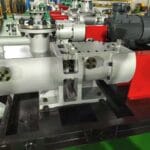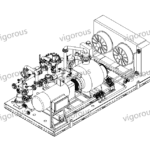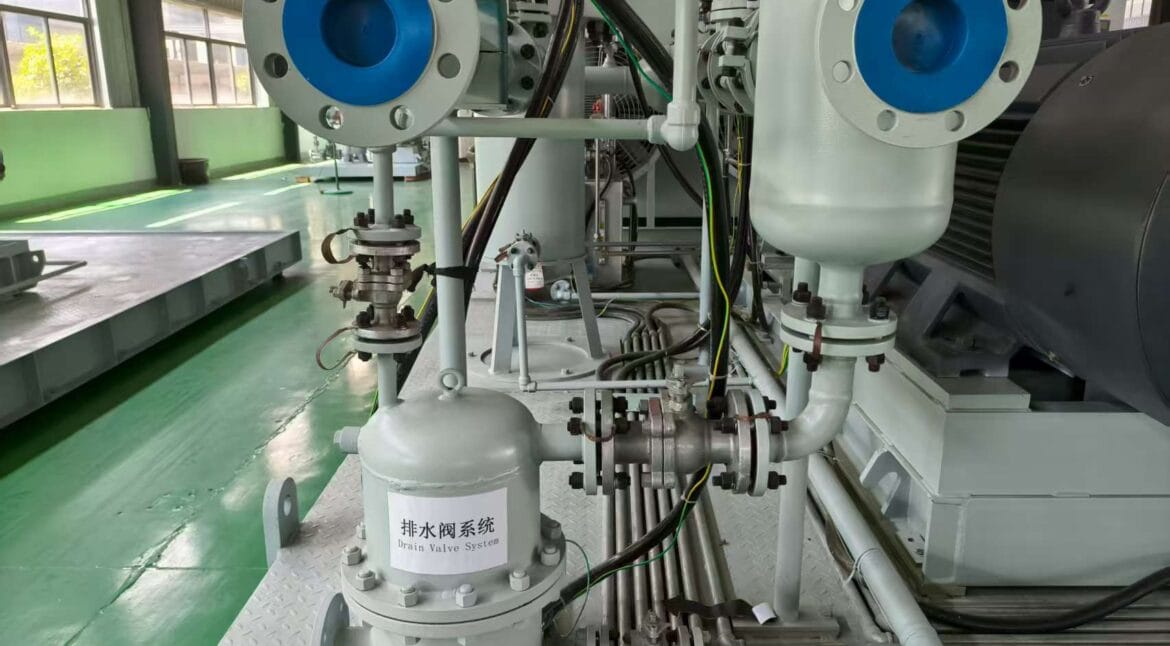
A heavy oil multiphase pump transports viscous crude together with gas and water in a single unit. Instead of separating the phases first, it handles the raw well stream directly. This approach reduces equipment count, lowers capital cost and helps operators recover more oil from mature fields. In this guide, we look at how the technology works and how to specify it correctly.
Why Heavy Oil Needs a Multiphase Approach
Heavy oil is dense, viscous and often mixed with produced water and associated gas. Conventional systems first separate gas and water, then pump the oil. However, each separator adds pressure loss, footprint and maintenance work. A heavy oil multiphase pump removes several of those steps by accepting the mixture as it arrives.
The result is simpler surface facilities. Moreover, keeping the well stream at higher pressure can reduce gas liberation and improve recovery from low-pressure reservoirs.
How a Heavy Oil Multiphase Pump Works
Most multiphase units use twin screw technology. Two rotors trap pockets of fluid and gas, then push them toward the discharge. Because the pockets are sealed by the rotor geometry rather than by liquid alone, the pump tolerates high gas volume fraction without gas lock.
Speed also matters. A variable-frequency drive lets the operator match pump speed to changing inflow. As a result, the unit can cope with slug flow and seasonal changes in production.
Design Features That Matter
- Gas handling: Confirm the maximum gas volume fraction at your suction pressure.
- Viscosity capability: Heavy oil may exceed 10,000 cSt at low temperature; ask for test data.
- Abrasion resistance: Produced sand demands hardened rotors and replaceable liners.
- Thermal management: A heated casing prevents wax deposition during shutdown.
- Control system: Level and pressure feedback protect the pump during slug flow.
In addition, request a full performance map rather than a single duty point. A map shows how the pump behaves when gas fraction and flow both change.
Applications in Oilfields
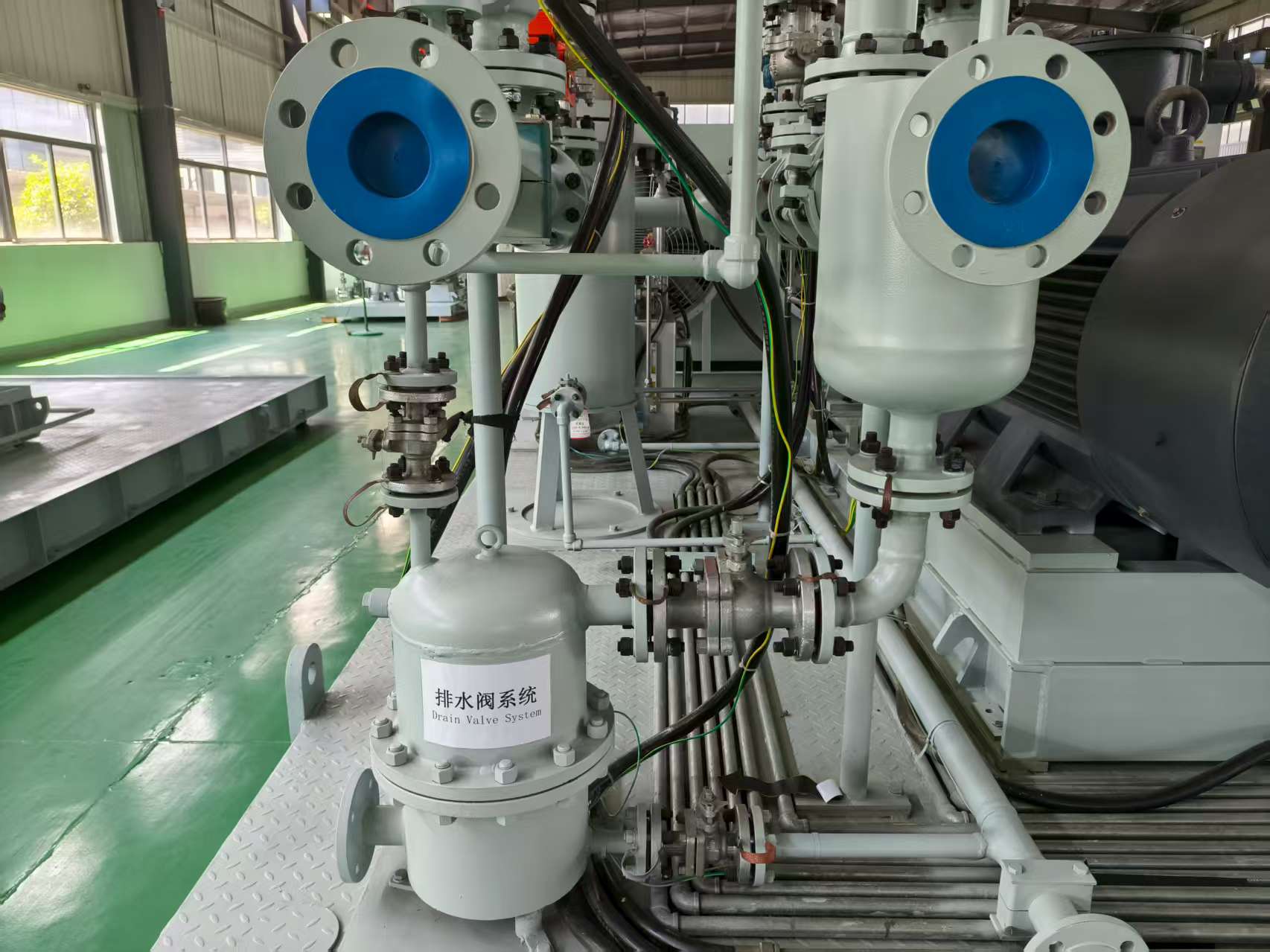
Heavy oil multiphase pumps are used in wellhead boosting, remote gathering, floodwater injection and offshore platform transfer. They are especially valuable where space is limited or where installing a separator train is uneconomic. Vigorous Pump has delivered multiphase skids for fields in Xinjiang and Shengli; see our parallel skid project for details.
Comparing Multiphase Pumps With Other Options
A screw pump and a centrifugal pump each have a role. Centrifugal units suit clean, thin fluids at high flow. For viscous oil with gas, a multiphase screw pump usually wins on reliability. Meanwhile, a separator plus single-phase pump remains sensible when gas volumes are very large and stable. For a focused comparison, read twin-screw multiphase pump vs compressor.
Operating Best Practices
Keep suction pressure above the bubble point where possible. Use a slow-start routine to avoid sudden gas expansion. Furthermore, track differential pressure across the strainer and clean it before it restricts flow. General guidance on pipeline and pump safety is published by the American Petroleum Institute.
FAQ About Heavy Oil Multiphase Pumps
Can one unit replace a separator?
In many gathering applications, yes. The pump can handle the mixture directly, although very high gas fractions may still need a compact separator upstream.
How does wax affect operation?
Wax can build up during shutdown. A heated jacket or regular circulation keeps the pump ready for restart.
Source a Heavy Oil Multiphase Pump
Vigorous Pump builds multiphase skids sized for real well streams, including high-viscosity crude and high gas fractions. Share your flow, pressure and fluid composition, and our engineers will propose a configuration that fits your field. Contact us to discuss a heavy oil multiphase pump for your project.